What is chemical damp proofing?
Chemical damp proofing involves applying a chemical barrier to prevent moisture infiltration in buildings. This process includes injecting a liquid waterproofing agent into affected masonry, creating a moisture-resistant layer. Various factors, such as the type of building material and the degree of existing dampness, influence its effectiveness. Different methods may be employed, such as surface coating or injection techniques.
Pros and Cons:
- Pros:
- Effective moisture prevention
- Long-lasting solution
- Non-invasive process
- Cons:
- Can be costly
- Requires skilled application
- Potential environmental impact of chemicals
How does chemical damp proofing work?
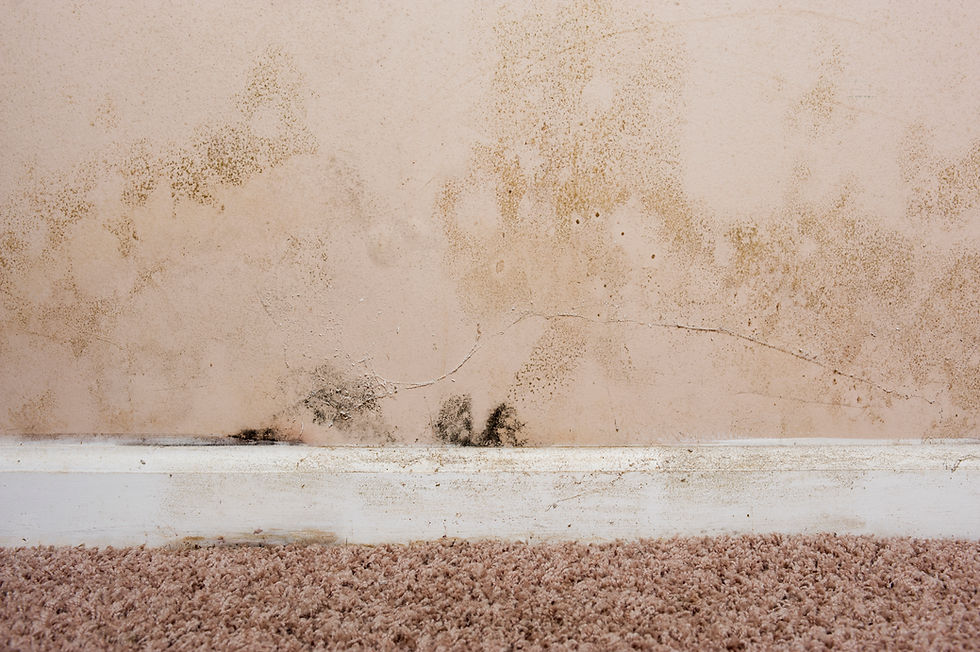
Chemical damp proofing involves injecting a water-repellent solution into a wall to create a barrier against rising dampness. This method preserves the structural integrity of buildings by preventing moisture from penetrating walls, leading to mould and decay.
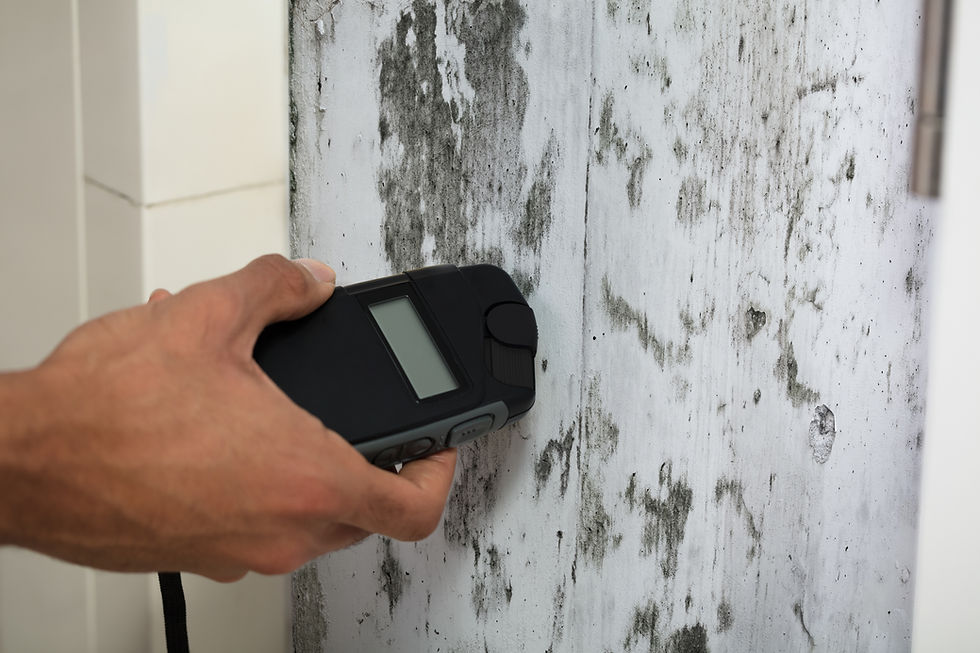
- Assessment and Preparation: Determine the extent of dampness and prepare the wall surface by cleaning and, if necessary, exposing brick or stone.
- Drilling Holes: Drill holes at regular intervals into the wall at a specific height, typically near the base. These holes allow the chemical to penetrate the wall effectively.
- Injection of Chemical Solution: Inject the chemical damp proofing solution into the drilled holes. This solution spreads and forms a barrier, preventing moisture from rising.
- Sealing Holes and Finishing: Once the solution is absorbed, seal the holes and finish the wall, ensuring it blends with the surrounding surfaces.
Chemical damp proofing is a proactive solution that addresses existing damp issues and provides long-term protection against future moisture-related problems.
What chemicals are used in damp proofing?
Damp proofing often utilises silicone-based compounds, potassium methyl siliconate, or sodium methyl siliconate to create a water-resistant barrier, preventing moisture ingress and preserving structural integrity.
How are these chemicals applied?
Applying chemicals involves a structured process to ensure effectiveness and safety.
- Preparation: Identify the surface area and ensure it is clean and dry. Remove any debris or obstructions to maximise chemical adhesion.
- Mixing: Consult product instructions to mix the chemicals in the specified ratio. Use appropriate gear to avoid direct contact.
- Application: Use a spray bottle, brush, or applicator to evenly distribute the chemical over the desired area. Maintain a consistent distance for even coverage.
- Drying: Allow the chemicals to dry for the recommended time. Avoid disturbing the area during this phase to ensure proper absorption.
- Ventilation: Ensure the area is well-ventilated to disperse any fumes. Open windows and use fans if necessary.
What are the benefits of chemical damp proofing?
- Prevents Moisture Ingress: Chemical damp proofing creates a barrier that blocks moisture from entering walls, floors, and foundations, protecting your property from damp issues.
- Enhances Structural Integrity: By preventing dampness, it helps maintain the structural soundness of the building, avoiding costly repairs in the future.
- Improves Indoor Air Quality: Reducing moisture prevents mould growth, leading to a healthier living environment with better air quality.
Pros:
- Long-lasting protection
- Cost-effective compared to traditional methods
- Non-intrusive application process
Cons:
- Requires professional application
- Potential for chemical sensitivity in some environments
Does chemical damp proofing prevent mould?
Yes, chemical damp proofing can help prevent mould by forming a barrier that stops moisture from seeping through walls, thus limiting the conditions that mould needs to grow.
Can it increase property value?
Yes, chemical damp proofing can increase property value as it is a desirable feature for many homebuyers due to its durability, aesthetic appeal, and easy maintenance.
Pros:
- Increases home appeal and marketability
- Long-lasting and durable
- Enhances aesthetic value
Cons:
- Higher upfront cost
- Requires maintenance to keep in good condition
What are the limitations of chemical damp proofing?
Chemical damp proofing may not be effective on extremely porous or deteriorated walls, requiring additional methods. Factors such as building material and wall condition influence its effectiveness.
Pros and Cons:
- Pros: Cost-effective, easy to apply.
- Cons: Limited on very porous walls, dependant on pre-existing wall conditions.

Is chemical damp proofing suitable for all properties?
No, chemical damp proofing is not suitable for all properties. Its effectiveness depends on factors like building material, construction age, and structural condition. Pre-20th-century buildings often have materials less compatible with modern chemicals. Additionally, structural leaks must be addressed first.
Pros:
- Can be cost-effective for suitable structures
- Easy application process
- Reduces damp-related health issues
Cons:
- Not suitable for older, heritage properties
- Potential for incomplete application
- Requires regular maintenance cheques
Are there any environmental concerns?
Yes, certain building materials and construction practises can pose environmental concerns, potentially involving resource depletion, habitat destruction, and pollution. Innovations in sustainable practises and eco-friendly materials aim to minimise the negative impact on the environment.
How does chemical damp proofing compare to other methods?
Chemical damp proofing is one of several methods used to address dampness in buildings, alongside physical barriers, electro-osmotic systems, and ventilation improvements. Here’s a comparison to help understand their unique characteristics:
| Method | Pros | Cons |
|---|---|---|
| Chemical Damp Proofing | Cost-effective, relatively quick installation | May not be suitable for all wall types |
| Physical Barriers | Durable and highly effective | Expensive and disruptive installation |
| Electro-Osmotic | Non-invasive and eco-friendly | Requires ongoing maintenance and power source |
| Ventilation | Reduces condensation, improves air quality | May not address ingress damp issues effectively |
How does it compare to physical damp proofing?
When comparing injectable damp proofing to physical damp proofing, several key features, reasons, pros, and cons emerge that define and separate these methods.
Injectable Damp Proofing:
- Features: Application involves injecting chemical solutions into walls to form a barrier.
- Pros: Quick installation, less invasive, cost-effective.
- Cons: May not work on heavily damaged walls, effectiveness depends on proper application.
Physical Damp Proofing:
- Features: Involves adding a physical barrier, such as a damp-proof course, during construction.
- Pros: Permanent solution, highly effective for new buildings.
- Cons: Expensive, invasive, often requires significant building alterations.
Choosing between these methods largely depends on the specific needs, building condition, and budget considerations. Injectable damp proofing is often preferred for existing structures due to its non-intrusive nature and lower cost, whereas physical damp proofing is more suited for new constructions where long-term effectiveness is paramount.
Is it more cost-effective than other methods?
Yes, it can be more cost-effective, depending on specific circumstances and applications.
Pros:
- Lower initial costs
- Reduced maintenance expenses
Cons:
- May require more frequent replacement
- Potential for higher long-term costs if not durable
What is the cost of chemical damp proofing?
Chemical damp proofing typically ranges between £600 and £1,200 for a small to average-sized home. Prices can vary depending on the size of the area, the severity of the dampness, and the specific materials used.
What factors influence the cost?
The cost is influenced by variables like material quality, labour charges, project complexity, and market trends. Premium materials and skilled labour increase expenses, while simple projects are usually cheaper. Economic conditions can also raise or lower costs, making comprehensive budgeting essential for accurate estimates.
Are there any hidden costs?
Yes, there might be hidden costs, including delivery charges, installation fees, taxes, or additional materials needed that aren’t clearly stated upfront. Always enquire about any potential extra expenses before finalising your purchase.
How long does chemical damp proofing last?
Chemical damp proofing typically lasts between 20 to 25 years, depending on factors like application quality and environmental conditions.
What maintenance is required?
- Regular Cleaning: Vacuum weekly to prevent dirt buildup.
- Spot Cleaning: Address stains immediately with appropriate cleaners.
- Polish: Apply polish monthly for added shine and protection.
- Inspection: Cheque for any signs of damage or wear quarterly.
- Professional Cleaning: Utilise professional services annually to maintain quality.
Can it be reapplied if necessary?
Yes, it can be reapplied to ensure optimal performance and prolong the lifespan of the product.
Is chemical damp proofing right for your property?
Chemical damp proofing, also known as damp injection treatment, is suitable for properties with rising damp issues needing quick solutions. Consider the pros and cons before deciding.
Factors Influencing Suitability
- Wall material: Some chemicals work better on different materials.
- Severity of damp: Minor damp is easily treated, severe cases are not.
- Environmental regulations: Local laws may limit chemical use.
How to assess your property’s needs?
Evaluating your property’s requirements is essential for making informed decisions. Here’s a step-by-step guide to properly assess your property’s needs:
- Inspect the Structure: Examine the foundation, walls, and roof for visible damages or necessary repairs.
- Evaluate Fixtures and Appliances: Cheque whether fixtures and appliances are functioning properly.
- Consider Energy Efficiency: Assess energy use and consider options for better insulation.
- Analyse Space Utilisation: Determine if your current space meets your needs or if renovations could enhance your living experience.
Conclusion
This article explored various aspects of chemical damp proofing, its effectiveness in preventing damp issues and improving property value. Understanding the methods, costs, benefits, and limitations provides valuable insight into making informed decisions about damp proofing for your property.