What is a damp proof sheet?
A damp proof sheet is a waterproof barrier used in construction to prevent moisture from penetrating floors and walls. Typically made from polyethylene or similar materials, it acts as a barrier to dampness rising from the ground, protecting buildings from damage. Variations in damp proof sheets include thickness, width, and suitability for different types of construction projects, such as residential homes or commercial buildings.
How does a damp proof sheet work?
A damp proof sheet is a protective barrier that prevents moisture from passing through surfaces, typically beneath flooring. It provides an impermeable layer that stops water vapour and dampness from seeping through the ground and into the floors above, which helps maintain dry and safe building interiors.
What materials are used in damp proof sheets?
Damp proof sheets are primarily crafted from materials that prevent moisture penetration in construction.
- Polyethylene: A durable, flexible material resistant to water.
- Polypropylene: Known for its strength and moisture resistance.
- Bituminous coatings: Often used in combination for added waterproofing.
Why is a damp proof sheet important for your property?
A damp proof sheet is a barrier used under flooring to prevent moisture from penetrating building structures. It helps protect the property from water damage, mould growth, and structural decay by maintaining dry conditions. The main benefits include extending the lifespan of the building, enhancing indoor air quality, and reducing maintenance costs.
- Pros:
- Prevents structural damage
- Increases property durability
- Reduces risk of mould
- Cons:
- Initial installation cost
- Requires professional installation
How does a damp proof sheet prevent moisture damage?
A damp proof sheet prevents moisture from penetrating floors and walls by acting as an impermeable layer. This prevents common issues such as mould growth, structural damage, and weakened insulation, thus maintaining the integrity and longevity of construction materials.

Can a damp proof sheet improve indoor air quality?
Yes, a damp proof sheet can improve indoor air quality by reducing moisture levels and limiting conditions conducive to mould growth.
What are the different types of damp proof sheets?
Damp proof sheets are impermeable materials used to prevent moisture from penetrating buildings. The primary types include polythene sheets, aluminium-based sheets, and bituminous sheets.
| Damp Proof Sheet Type | Material | Key Features |
|---|---|---|
| Polythene Sheets | Plastic | Cost-effective, flexible |
| Aluminium-based Sheets | Metal | Reflective, durable |
| Bituminous Sheets | Asphalt | High moisture resistance |
How do liquid damp proof membranes differ from sheet membranes?
Liquid damp proof membranes (DPM) are applied as a liquid to form a continuous coating, while sheet membranes are applied in pre-formed rolls. Differences include:
- Application:
- Liquid DPMs are painted or sprayed on, ensuring a seamless barrier.
- Sheet membranes require overlapping joints for installation.
- Adaptability:
- Liquids easily conform to irregular surfaces.
- Sheets may need cutting and careful fitting around shapes.
- Durability:
- Liquid DPMs may require more time to dry and cure.
- Sheets provide immediate protection upon installation.
Are there eco-friendly damp proof sheets available?
Yes, eco-friendly damp proof sheets are available, made from recycled materials and designed to reduce environmental impact while providing effective moisture protection.
How do you install a damp proof sheet?
Here’s a step-by-step guide for installation:
- Prepare the Surface: Clear the area of debris and ensure it’s smooth and dry.
- Measure and Cut: Measure the area and cut the sheet accordingly with a sharp utility knife.
- Lay the Sheet: Position the sheet over the area, ensuring it covers the entire surface without wrinkles.
- Seal the Edges: Use waterproof tape or adhesive to seal joints and edges, ensuring no gaps for moisture seepage.
- Cover with Flooring: Once secured, proceed to lay the flooring or other covering materials over the sheet.
Checklist for Installing Damp Proof Sheet:
- Surface cleaned and dried
- Sheet measured and cut to size
- Sheet laid flat with no wrinkles
- Edges sealed with waterproof tape or adhesive
- Flooring laid over sheet
What tools are needed for damp proof sheet installation?
- Measuring Tape: Measure the area accurately.
- Utility Knife: For cutting the damp proof sheet.
- Straight Edge: For precise cutting lines.
- Trowel: For smoothing out the surface and applying adhesive.
- Heavy-Duty Gloves: Protects hands during installation.
- Sealant or Adhesive: Necessary for securing the sheet.
- Broom or Brush: Clean the surface before installation.
What are the steps to properly install a damp proof sheet?
Follow these critical steps:
- Prepare the Surface: Clean and level the area, removing debris.
- Measure and Cut the Sheet: Cut the damp proof sheet to the desired size.
- Position the Sheet: Lay it flat against the surface, extending beyond the edges.
- Seal the Edges: Use an appropriate sealant to seal overlaps and edges securely.
- Secure the Sheet in Place: Fix the sheet using weights or edging strips, ensuring no wrinkles.
What are the benefits of using a damp proof sheet?
A damp proof sheet prevents moisture from passing through floors or walls, providing benefits such as:
- Moisture Protection: Protects structures from moisture damage, extending their lifespan.
- Energy Efficiency: Enhances insulation and reduces energy costs.
- Health Benefits: Reduces mould growth, promoting healthier indoor environments.
How does a damp proof sheet extend the lifespan of a building?
A damp proof sheet prevents moisture infiltration, helping maintain structural integrity and prolonging the building’s lifespan.
Can a damp proof sheet reduce energy costs?
Yes, a damp proof sheet can help reduce energy costs by improving insulation and preventing moisture ingress.
What are the limitations of damp proof sheets?
Damp proof sheets can be susceptible to punctures, may not be effective in areas with severe groundwater pressure, and can deteriorate over time.
- Pros:
- Cost-effective
- Easy installation
- Cons:
- Vulnerable to damage
- Limited durability
Can damp proof sheets fail over time?
Yes, their effectiveness can diminish due to material quality, installation, and environmental conditions. Regular inspections and maintenance are crucial.
What are the signs of a failing damp proof sheet?
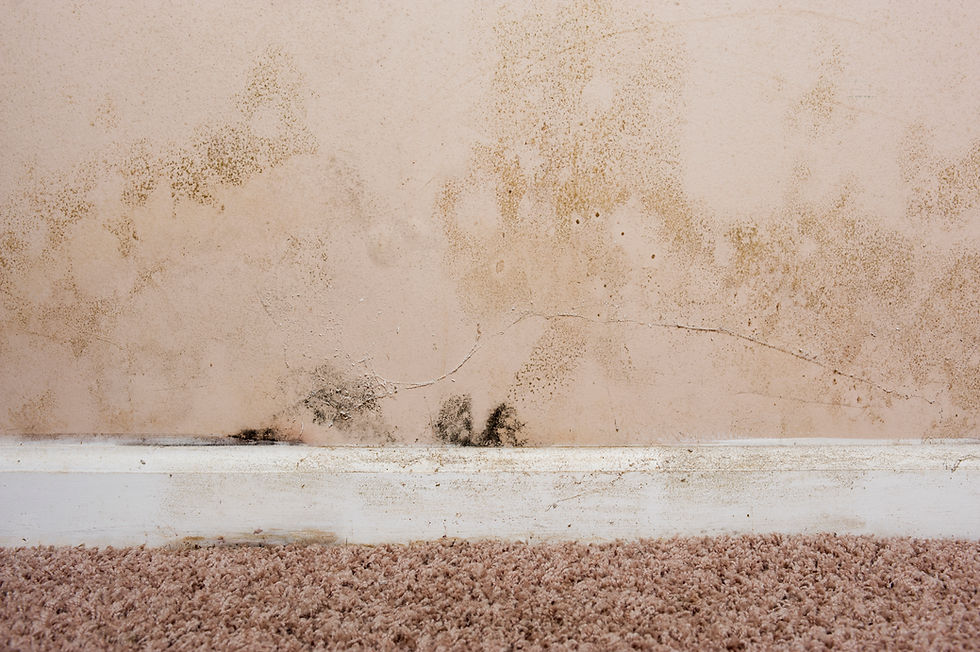
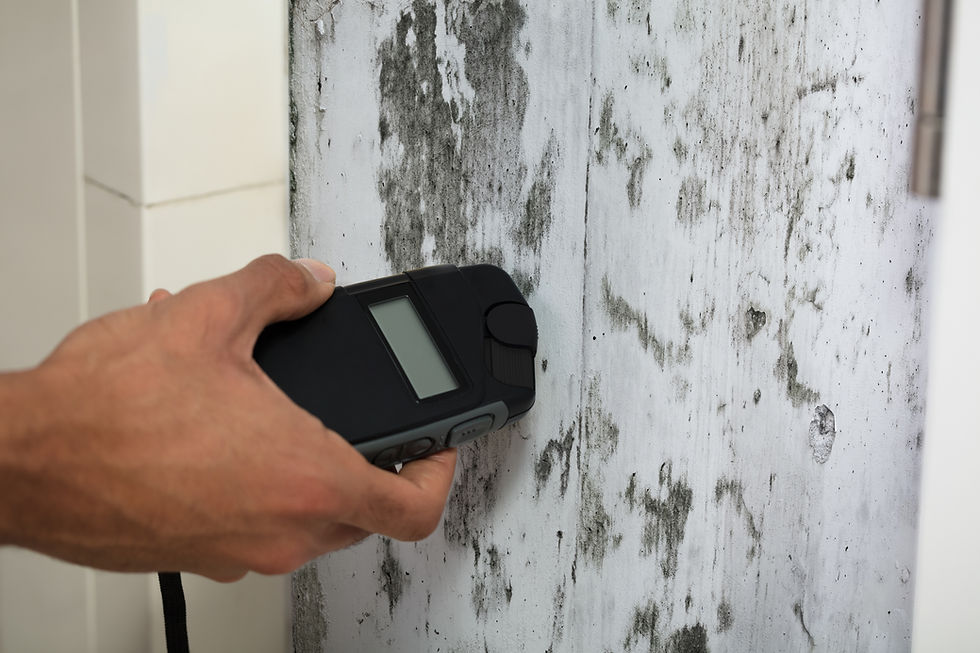
Signs include rising damp, visible mould or mildew, and peeling wallpaper or paint.
How do you maintain a damp proof sheet?
Maintaining a damp proof sheet involves several steps:
- Regular Inspection: Check for tears or punctures.
- Cleaning: Use a mild detergent and soft cloth.
- Patch Repair: Patch small damages with appropriate adhesive tape.
- Ensure Proper Sealing: Ensure all edges and joints are correctly sealed.
Checklist for Maintenance:
- Inspect for visible damage
- Clean regularly with appropriate products
- Repair any tears or punctures
- Verify all seals
How often should a damp proof sheet be inspected?
A damp proof sheet should be inspected annually to ensure effectiveness.
What maintenance practises ensure the longevity of a damp proof sheet?
Regularly inspect for damage, seal any tears, maintain a clean surface, and protect from direct sun exposure.
Is a damp proof sheet right for your property?
A damp proof sheet prevents moisture from penetrating parts of a building. Consider the advantages and drawbacks:
- Pros:
- Protects against damp issues.
- Improves indoor air quality.
- Reduces mould growth risk.
- Cons:
- Initial installation cost.
- Potential for improper installation.
What factors should be considered before installing a damp proof sheet?
- Site Assessment: Evaluate soil moisture levels and existing drainage issues.
- Material Selection: Choose the right type based on durability and compatibility.
- Installation Method: Decide on the technique based on construction design.
Are there specific property types that benefit most from damp proof sheets?
Properties in areas with high moisture levels, like basements or older buildings, benefit most from damp proof sheets.
Conclusion
In this article, aspects of damp proof sheets were examined, including their importance, types, installation, and maintenance. Key takeaways include:
- Damp proof sheets provide significant protection against moisture.
- Various types exist, suitable for different environments.
- Proper installation and maintenance ensure long-term effectiveness.